
The nerpa is the only seal in the world that lives exclusively in fresh water. How it reached Baikal is still debated by scientists. Here is what is known about it, how it survives the winter under the ice, and how to see one without disturbing it.
A puzzle of origins
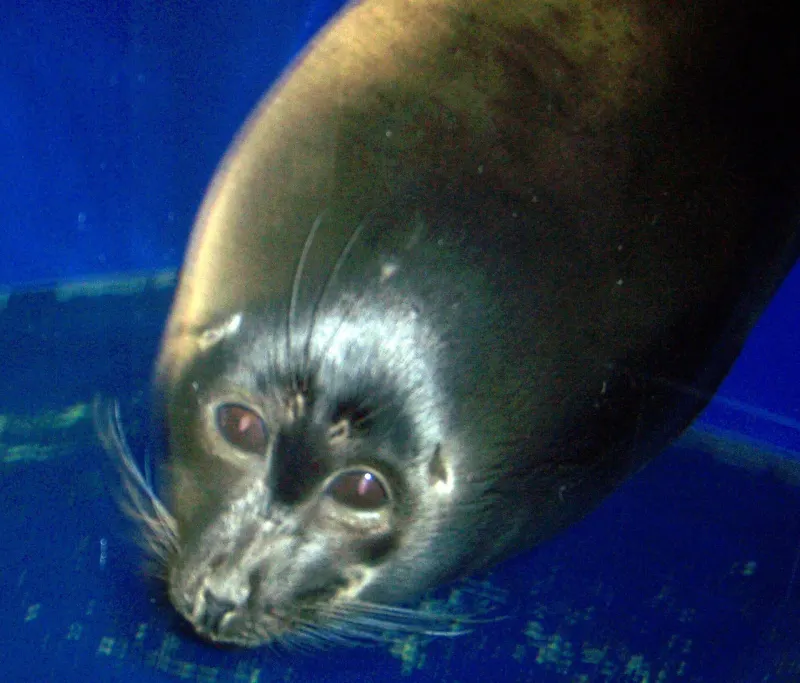
The Baikal seal (Pusa sibirica) is endemic to the lake and a close relative of the ringed seal of the northern seas. The ocean is thousands of kilometres away, and no one knows exactly how its ancestors reached the lake. The most common view is that they came from the Arctic Ocean along the Yenisei and Angara river systems during one of the ice ages.
Life under the ice
Baikal is frozen for much of the year, and the seal is adapted to it. It keeps breathing holes open in the ice by scratching at them with the claws of its fore flippers. At the end of winter females give birth in snow lairs on the ice; the pups have white fur that keeps them warm until they can swim.
The seals feed mainly on fish — golomyanka and sculpins. They are good divers and can stay underwater for a long time.
Where to see one
- The Baikal Museum in Listvyanka and the seal aquariums — the most reliable option, especially with children.
- The Ushkany Islands in the middle of the lake — summer haul-outs on the rocks; reached by boat on organised trips, with visits regulated by the national park.
- Northern Olkhon — from the cliffs of Cape Khoboy you sometimes see seals in the water or on the rocks.
Watching with care
The nerpa is one of the emblems of Baikal, and its wellbeing depends on a clean lake and quiet shores.


